Article ·
Do Patients Mind AI Receptionists? Lessons From 210,000 Calls
Aeva’s position after 210,000+ patient calls: tell patients it’s AI. What older patients, clinic owners and a rural UK clinic report, and where the limits of an AI receptionist are.
Aeva AI
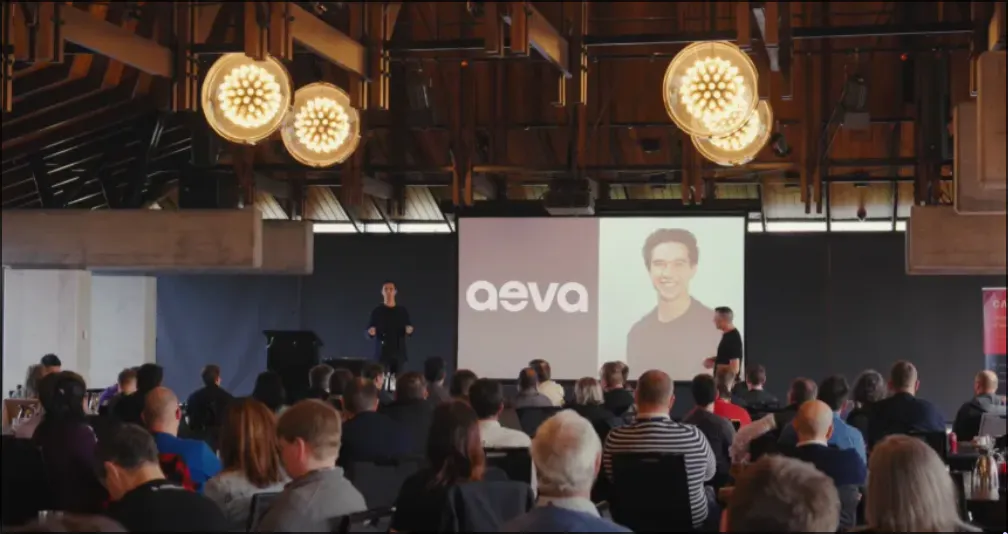
Do patients mind talking to an AI receptionist? What 210,000 calls taught us
Aeva AI research. Source: more than 210,000 patient calls handled by Aeva as of March 2026, and calls reported by Aeva customers between July 2025 and July 2026 with the clinic owner’s permission. By Chris Baxter, Co-founder & CEO, Aeva AI.
Asked in the abstract, most people say they would rather speak to a person. Asked the question that actually applies, whether they would rather speak to an AI receptionist who can help now or be sent to voicemail and call back tomorrow, almost everyone Aeva has put it to chooses the AI. And on the question clinic owners ask most, whether to tell patients it is AI, our answer after more than 210,000 calls is yes, every time. Patients who know they are speaking to an AI are more direct about what they need and the call goes better.
Tell patients it is AI
Aeva is set up to introduce itself as an AI receptionist at the start of the call. When patients know, expectations are set immediately, the conversation is clearer and people get to the point. What we noticed early on is that callers who know they are speaking to an AI drop the small talk and want the task done, which is exactly what most of them rang for.
Disclosure does not make the call feel cold. Scott, a physiotherapy clinic owner in Australia, had a patient ring from her car to say she was running ten minutes late. Aeva introduced itself as AI; she missed it, left her message and drove on. At the clinic she told Scott: “Your receptionist was extremely friendly and professional by the way.” When he explained, her reply was “Wait… really?”
Lucy Anderson, who runs Anderson Clinic in the UK, named her Aeva receptionist Sophie. Sophie says she is AI straight away, and Lucy finds it works in the clinic’s favour: patients expect little and are pleasantly surprised. Working late one evening, Lucy picked up a call herself. The patient groaned: “I was hoping to speak to Sophie.”
“But what about the older patients?”
This is the first question most clinic owners ask before going live, and it is a fair one. Clinics do not serve AI enthusiasts; they serve retirees and people who have rung the same desk for fifteen years. Many of the calls customers tell us about are from exactly that group.
• A 78-year-old Czech patient, speaking English as a second language and who had never spoken to an AI, rang a clinic shortly after it went live. The receptionist guided her through, clarified the details and booked the appointment correctly. At her visit she called it an easy and fun experience.
• Eleanor (name changed), 86, was greeted by name, asked whether she wanted the same practitioner as last time and told her details were already on file. It was her first conversation with an AI. What she remembered was not the technology but how smooth it felt.
• Dr Gwen Adey, Founder and Clinical Director of a clinic using Aeva, wrote in December 2025: “I’ve been shocked at how beautifully she takes bookings, even from older people.”
• Liz, who runs a chiropractic clinic in Gloucester, reports patients saying, “Just book me in anytime, I’ll ring Sophie and change it to a time that suits.” One patient sent a Christmas thank-you card addressed to Liz and to Sophie, the AI receptionist.
Ewen, a UK practice owner who had been unsure how patients in a more traditional area would react, summed up his first week: “You’d think people would drop off when they realise they’re talking to AI. But they don’t.”
What patients are really objecting to
When a patient says “oh no, I hate speaking to those”, they are usually thinking of their bank. Those systems are IVR menus, introduced in 1971: press one for this, say a keyword for that, and get looped back if you say anything else. Voice-activated versions match a few words and break on the rest. An AI receptionist is a different thing. It understands free speech, pulls the patient’s appointments and details from the practice management system in real time, and hands the call to a person when it should. Explaining that difference to a hesitant patient usually settles it.
Where the limits are
The AI should not pretend to be human, and it should not guess. A clinical question such as “what exercises should I be doing?” gets a priority message to the team or a transfer, not an answer. A caller who sounds distressed gets a calm voice that listens, helps where it can and flags a person to call back. And there are parts of a receptionist’s job an AI cannot do at all: greeting someone at the door, helping them up the steps, calming a worried parent. Aeva replaces the part of the role that is only answering the phone, so the people in the clinic can do the rest.
Two things make the difference on the call itself. Aeva’s New Zealand, Australian and British voices were recorded with real receptionists in a studio and then cloned, rather than taken off the shelf. And in May 2026 Aeva cut its response time by half, a full second, because the pause before an AI answers is where a patient decides it is a system.
Common questions
Can a patient ask to speak to a person?
Yes. Aeva can transfer a call to the practice phone when a caller asks for a person or under other conditions the clinic sets, either on a manual toggle or automatically by operating hours, and passes a short summary of the conversation so the receptionist knows what the patient needs.
Next step
The fastest way to answer this question for your own patients is to hear it. Book a demo and listen to Aeva take a call on your clinic’s setup.
See Aeva answer a call from your clinic
Hear how Aeva handles a real booking, in your clinic's voice, before you decide.
Book a demoSee what Aeva doesKeep reading
AI Receptionist Results: Booking Rates Rise After Month One
Clinics using Aeva convert 42% of would-be bookers in month one and over 50% after. What changes, what the best clinics set up, and how to measure your own results.
Clinic Reception Costs: Receptionist vs Call Centre vs AI
What clinic owners pay for reception: $40K–$80K a year in-house, $300–$570 a month for call centres, AI from £139 or A$259 a month. Costs, trade-offs and sources.
How Many Calls Do Clinics Miss? Data From 757 Clinic Owners
78% of 757 clinic owners raised missed calls unprompted and almost none had after-hours cover. How to count the calls your clinic misses and what they cost each year.