Article ·
What 757 Clinic Owners Told Us About Running a Clinic
Aeva analysed conversations with 757 clinic owners: 78% raised missed calls unprompted, 55% run reception themselves, almost none have after-hours cover. Findings and method.
Aeva AI
What 757 Clinic Owners Told Us About Running a Clinic
Aeva AI research. Source: 757 conversations with clinic owners in the year to February 2026, analysed from call transcripts; an earlier set of 472 conversations over ten months to October 2025. Figures last updated February 2026. By Chris Baxter, Co-founder & CEO, Aeva AI.
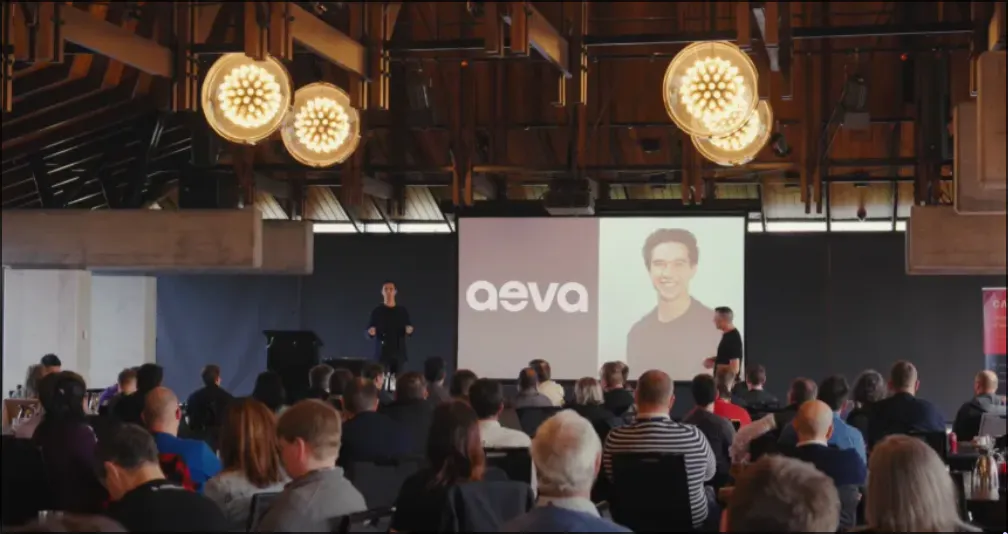
In the year to February 2026, Aeva’s co-founder Chris Baxter spoke with 757 clinic owners across Australia, New Zealand, the UK and elsewhere, from solo practitioners to multi-location groups and across specialties. Rather than rely on memory, Aeva ran the call transcripts through an AI meeting reviewer built by co-founder and CTO Louis Evans to pull out the most consistent patterns, concerns and frustrations. Three problems came up in nearly every clinic regardless of size, specialty or country: missed calls, owners doing every job themselves, and no cover after hours.
Finding 1: missed calls, raised unprompted by 78%
Seventy-eight per cent of owners brought up missed calls on their own, before AI, marketing or staffing came into the conversation. What they described was not dramatic. A phone ringing while they were mid-consult. A callback that did not happen until the next morning. A front desk stretched too thin to give good service. The part that stayed with us: in most cases the patient had already moved on before the callback was made.
Finding 2: 55% do everything themselves
More than half of the owners described being practitioner, manager and receptionist at once. Asked why, the same two figures came back: $40,000 to $80,000 a year for in-house reception, or $300 to $570 a month for call-centre answering services they were not happy with. So they answered calls between consults and returned voicemails at night, not because that was the plan but because the alternatives felt too expensive or not good enough. Over time it becomes exhausting and impossible to grow around.
Finding 3: almost 100% had no after-hours cover
Nearly every clinic specifically cited having no after-hours or weekend coverage. Calls went to voicemail or nowhere. Patients do not call when it suits the clinic; they call when they remember, when the pain flares, when they finally sit down in the evening. Many who reach voicemail do not leave one. Aeva’s own call data puts a number on the demand: one in four of the calls it answered in the 30 days to July 2026 arrived outside 9 to 5.
What struck us most was not the problems but how normal they had become. Returning Friday evening calls on a Monday morning. Missing calls mid-consult. Running reception yourself. All described as simply part of the job.
The earlier sample: 472 owners and the 20% who stand out
Before the 757, Chris spent about 157 hours over ten months to October 2025 asking 472 practice owners one question: how is the business going? The answers split sharply. Of five owners met in a typical day, four described a steady trickle of three to five calls a day per practitioner; one described 40 to 60 calls a day with a single receptionist. From what we saw, around 20% of practices were serving 80% of patients. What the busy 20% had in common:
- They own a niche. One thing they are known for, rather than ten treatments listed on the website. That makes them referable: when someone asks who is best for X, their name comes up.
- They create signature experiences. Recovery packs for first-time patients, a hot towel on arrival, a text two days after the appointment to check in.
- They group appointments together. More efficient days, and patients feel they are seeing the practitioner everyone sees.
- They buy back time. Average clinics try to save money; the best ask what only they can do and delegate the rest to staff, systems or AI.
- They keep the menu short. In Aeva’s setups, the clinics staying consistently booked at premium rates typically offer two to five appointment types.
On new patients, three channels came up again and again: engineered word of mouth (a “refer a friend, both get 50% off” offer promoted to existing patients), local search so the clinic appears for “physio near me”, and paid ads as the most expensive but most measurable route. All three depend on someone answering when the new patient calls.
Method and limits
- These were sales and onboarding conversations with owners who had chosen to speak to an AI receptionist company, not a random sample of clinics. Owners with a phone problem are over-represented.
- Percentages are the share of conversations in which a theme was raised, as identified by an AI transcript reviewer, not answers to a fixed questionnaire.
- Cost figures are as owners stated them; the analysis did not separate currencies.
- The 20/80 observation and the calls-per-day figures are what owners reported, not measured data.
What Aeva built in response
Each of the three findings maps to something now in the product: 24/7 answering that can be limited to after hours or overflow; call transfer back to the team with a hand-off summary, so owners are not the only fallback; and, from January 2026, outbound calls to bring lapsed patients back. Every feature Aeva has shipped began as a request from a clinic owner.
Next step
If any of the three findings describes your clinic, the two-number audit in our missed-calls research will tell you what it is costing. To see how Aeva would answer your phone, book a demo.
See Aeva answer a call from your clinic
Hear how Aeva handles a real booking, in your clinic's voice, before you decide.
Book a demoSee what Aeva doesKeep reading
AI Receptionist Results: Booking Rates Rise After Month One
Clinics using Aeva convert 42% of would-be bookers in month one and over 50% after. What changes, what the best clinics set up, and how to measure your own results.
Clinic Reception Costs: Receptionist vs Call Centre vs AI
What clinic owners pay for reception: $40K–$80K a year in-house, $300–$570 a month for call centres, AI from £139 or A$259 a month. Costs, trade-offs and sources.
Do Patients Mind AI Receptionists? Lessons From 210,000 Calls
Aeva’s position after 210,000+ patient calls: tell patients it’s AI. What older patients, clinic owners and a rural UK clinic report, and where the limits of an AI receptionist are.