Article ·
When Patients Call Clinics: 1 in 4 Calls Is After Hours
Aeva analysed 37,258 patient calls in the 30 days to July 2026. One in four arrived outside 9 to 5. See what after-hours callers want and how clinics can answer them.
Aeva AI
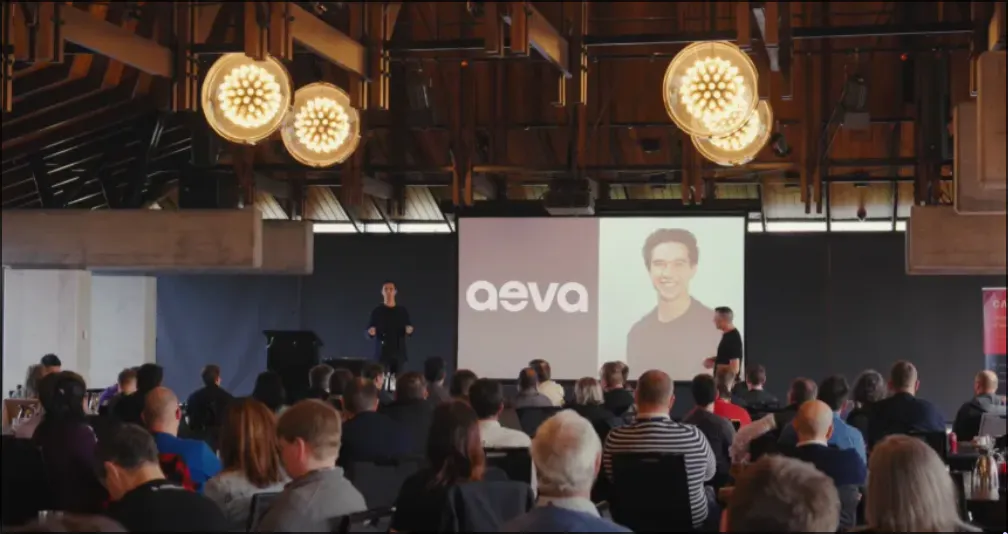
When patients call clinics: one in four calls arrives outside 9 to 5
Aeva AI research. Data: 37,258 patient calls answered by Aeva in the 30 days to July 2026, across 2,100+ practitioners, and conversations with 757 clinic owners in the year to February 2026. Figures last updated July 2026. By Chris Baxter, Co-founder & CEO, Aeva AI.
One in four of the patient calls Aeva answered in the 30 days to July 2026 came in outside 9am to 5pm. That is from 37,258 calls across more than 2,100 practitioners, each one analysed for when it arrived and what happened next. In the same period, almost every one of the 757 clinic owners we spoke with in the year to February 2026 said they had no after-hours or weekend cover. The demand is there. Most clinics have nobody on the phone when it arrives
What the call data shows
Louis Evans, Aeva’s co-founder and CTO, built the analysis that now runs on every call Aeva handles. It records the time of the call, whether it ended in a booking, and whether the caller was a new or returning patient. Three findings from the first 30-day sample are relevant to opening hours:
• 1 in 4 calls landed outside 9 to 5. Evenings, early mornings, lunchtimes and weekends, when most clinic phones go to voicemail.
• 41% of the appointments booked went to brand-new patients. The calls a clinic is least able to afford losing are a large share of the total.
• A typical two-to-three practitioner clinic had about 15 calls a week answered that would otherwise have rung out or reached voicemail.
A note on method: this is the share of calls Aeva answered, not the share of all calls a clinic receives. Some clinics route every call to Aeva; others use it only after hours or when the desk is busy, which pushes the out-of-hours share up. Treat one in four as a signal of the demand a voicemail-only clinic is not seeing, rather than a fixed rule for every practice.
What after-hours callers do when they get through
Aeva’s own dashboard gives one dated answer. By June 2025, after-hours calls answered for Aeva customers had produced 208 booked appointments and an estimated A$21,000 (about £10,000) in revenue. Every one of those calls came in when no receptionist was on duty and, before Aeva, would have gone unanswered.
Cancellations follow the same pattern. Patients cancel and reschedule on Saturdays, Sundays, late at night and in the lunchtime rush, exactly when nobody is there to react. When that call lands in voicemail, the slot stays locked until someone checks the messages. Handled on the call, the slot reopens and can be refilled.
Dr Gwen Adey, Founder and Clinical Director of a clinic using Aeva, described it in December 2025: “I’ve loved seeing calls coming in on Sunday evenings when patients don’t expect an answer. They are surprised and delighted. I guess they’re able to take calling us off their Monday morning list.”
Why the after-hours call is worth more than its volume suggests
Patients do not think in business hours. They call when they finally have a moment: after work, at night, when they are home and the problem is still there. That moment is high intent. They are not browsing; they are ready to book. If the call hits voicemail at 5.30pm, most will not try again. They search for the next clinic instead. And because competition drops off after hours while demand does not, the clinic that answers at 7pm is often the only one that does.
The clinic owners we spoke with knew this. 78% raised missed calls without being prompted, ahead of marketing, staffing or AI. What had become normal was returning a Friday evening call on a Monday morning, by which point the patient had already booked elsewhere.
What clinics can do about it
1. Count it. Pull one month of phone logs and note two numbers: total inbound calls and how many went unanswered, split by after hours, lunch and mid-consult. Many phone providers do not record missed calls at all, so you may need to switch to one that does.
2. Cover it. The options are more staffed hours, an answering service that takes messages, or an AI receptionist that books directly into the diary. Aeva answers 24/7 and can be set to answer every call, after hours only, or overflow only, and it books, reschedules and cancels appointments in Cliniko, Splose and PracSuite in real time.
3. Say you are reachable. Some Aeva customers have extended the phone hours shown on their Google Business Profile to match when calls are answered, with a clinic FAQ that separates phone hours from treatment hours. Check Google’s Business Profile guidelines first and keep that distinction explicit.
Common questions
Can an AI receptionist answer only after hours?
Yes. Aeva connects to the clinic’s existing phone number and the clinic chooses when it answers: 24/7, after hours only, or only when reception cannot pick up.
Next step
Pull last month’s call log and count the calls that arrived after your last appointment of the day. If you would like to hear how Aeva handles those calls on your own clinic’s appointment types, book a demo .
See Aeva answer a call from your clinic
Hear how Aeva handles a real booking, in your clinic's voice, before you decide.
Book a demoSee what Aeva doesKeep reading
AI Receptionist Results: Booking Rates Rise After Month One
Clinics using Aeva convert 42% of would-be bookers in month one and over 50% after. What changes, what the best clinics set up, and how to measure your own results.
Clinic Reception Costs: Receptionist vs Call Centre vs AI
What clinic owners pay for reception: $40K–$80K a year in-house, $300–$570 a month for call centres, AI from £139 or A$259 a month. Costs, trade-offs and sources.
Do Patients Mind AI Receptionists? Lessons From 210,000 Calls
Aeva’s position after 210,000+ patient calls: tell patients it’s AI. What older patients, clinic owners and a rural UK clinic report, and where the limits of an AI receptionist are.